JavaScript vs. Java: Key Differences and Use Cases
When it comes to programming languages, JavaScript and Java are two of the most widely known. While their names are similar, they serve different purposes and have distinct characteristics. In this blog, we'll explore the key differences between JavaScript and Java, their use cases, and which might be best suited for your next project.
What is JavaScript?
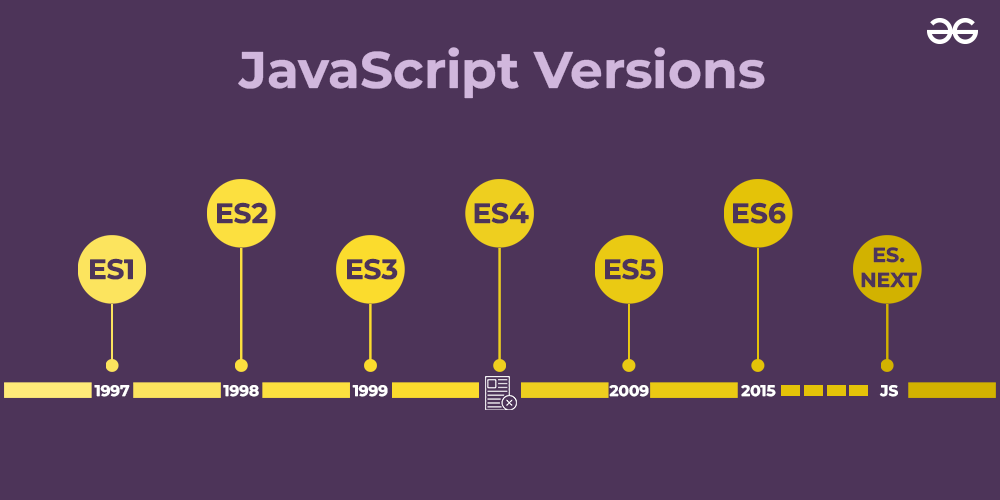
JavaScript is a high-level, interpreted programming language primarily used for adding interactivity to web pages. Developed initially in the 1990s by Netscape, it has evolved into a versatile language for both front-end and back-end development. JavaScript can run directly in the browser, allowing developers to create dynamic and interactive user interfaces.
Syntax: JavaScript is a loosely typed language with a syntax similar to C.
Runtime: It runs on the browser as well as on servers using environments like Node.js.
Use Cases: It is ideal for web development, building web applications, single-page applications (SPAs), and mobile apps using frameworks like React Native.
Frameworks/Libraries: React, Angular, Vue, Node.js, and Express are some popular JavaScript frameworks and libraries.
What is Java?
Java is a general-purpose, object-oriented programming language created by Sun Microsystems (now owned by Oracle) in the mid-1990s. It was designed with the philosophy of "write once, run anywhere" (WORA), meaning compiled Java code can run on any platform with a Java Virtual Machine (JVM). This makes Java particularly powerful for large-scale enterprise applications and Android development.
Syntax: Java is a statically typed language with a syntax similar to C++.
Runtime: Java applications require the JVM to run, which makes them platform-independent.
Use Cases: It is widely used for building enterprise-level applications, backend services, Android apps, and large-scale systems.
Frameworks: Some well-known frameworks for Java include Spring, Hibernate, and Apache Struts.
Key Differences Between JavaScript and Java
| Feature | JavaScript | Java |
| Type System | Dynamic (loosely typed) | Static (strictly typed) |
| Syntax | Similar to C, but more flexible | Similar to C++, with a focus on strict OOP principles |
| Execution | Interpreted, runs directly in browsers or via Node.js | Compiled to bytecode, runs on JVM |
| Concurrency | Single-threaded, with asynchronous capabilities (e.g., async/await, Promises) | Multi-threaded, using threads for concurrent tasks |
| Platform | Browser-based and server-side (with Node.js) | Platform-independent through JVM |
| Use Cases | Web development, SPAs, real-time updates, server-side scripting | Enterprise applications, Android apps, large-scale systems |
JavaScript: Strengths and Weaknesses
Strengths:
Interactivity: JavaScript allows developers to create highly interactive and responsive user interfaces, making it a must-have for modern web development.
Wide Support: JavaScript is supported by all modern browsers, enabling cross-browser compatibility.
Asynchronous Programming: With features like Promises,
async/await, andfetch, JavaScript is well-suited for handling asynchronous operations, like API calls.
Weaknesses:
Single-Threaded: JavaScript's single-threaded nature can sometimes lead to performance bottlenecks, especially when handling CPU-intensive tasks.
Security: Being client-side, JavaScript can be vulnerable to security risks like cross-site scripting (XSS).
Dynamic Typing: While flexibility can be beneficial, the lack of strict type checking can lead to more runtime errors.
Java: Strengths and Weaknesses
Strengths:
Performance: Java is known for its high performance, especially for long-running applications, thanks to JVM optimizations.
Portability: Java's "write once, run anywhere" nature makes it suitable for cross-platform applications.
Strong Type System: The static type system of Java helps catch errors at compile time, leading to more stable code.
Weaknesses:
Verbosity: Java code tends to be more verbose compared to JavaScript, which can make it more time-consuming to write.
Memory Consumption: Java applications can consume more memory, especially when running on servers, due to the JVM.
Complexity: Java's strict object-oriented nature can be overkill for smaller projects, making it less flexible for quick prototyping.
Use Cases: When to Use JavaScript vs. Java
Use JavaScript if:
You are building web applications or need to create interactive user interfaces.
You want a lightweight language for server-side scripting (using Node.js).
You are developing a single-page application (SPA) where responsiveness is crucial.
You plan to develop mobile apps using frameworks like React Native.
Use Java if:
You are building large-scale enterprise applications with complex business logic.
You need a language with strong multi-threading capabilities.
You are developing Android applications.
You want a reliable language for backend services that require high performance and stability.
Can JavaScript and Java Work Together?
Despite their differences, JavaScript and Java can work together in many scenarios. For instance:
Full-Stack Development: Many modern full-stack applications use Java for the backend (e.g., using Spring Boot) and JavaScript for the frontend (e.g., using React or Angular).
API Integration: Java-based backend services can be exposed through RESTful APIs, which JavaScript frontends can consume to build dynamic and responsive user interfaces.
Hybrid Mobile Apps: Java can be used for backend logic, while JavaScript can be leveraged for the user interface of mobile apps through frameworks like React Native.
Conclusion
JavaScript and Java are both powerful in their own right, each offering unique strengths for different development needs. JavaScript shines in web development and creating rich, interactive experiences, while Java excels in building stable, high-performance, and platform-independent applications. Understanding their differences and knowing the right context for each can help you choose the best language for your project. Whether you're building a dynamic web app or a robust enterprise system, there's a place for both JavaScript and Java in the modern software ecosystem.